Question craft
Writing Trivia Questions People Actually Love
3 min read · Jul 24, 2026 · updated Jul 28, 2026
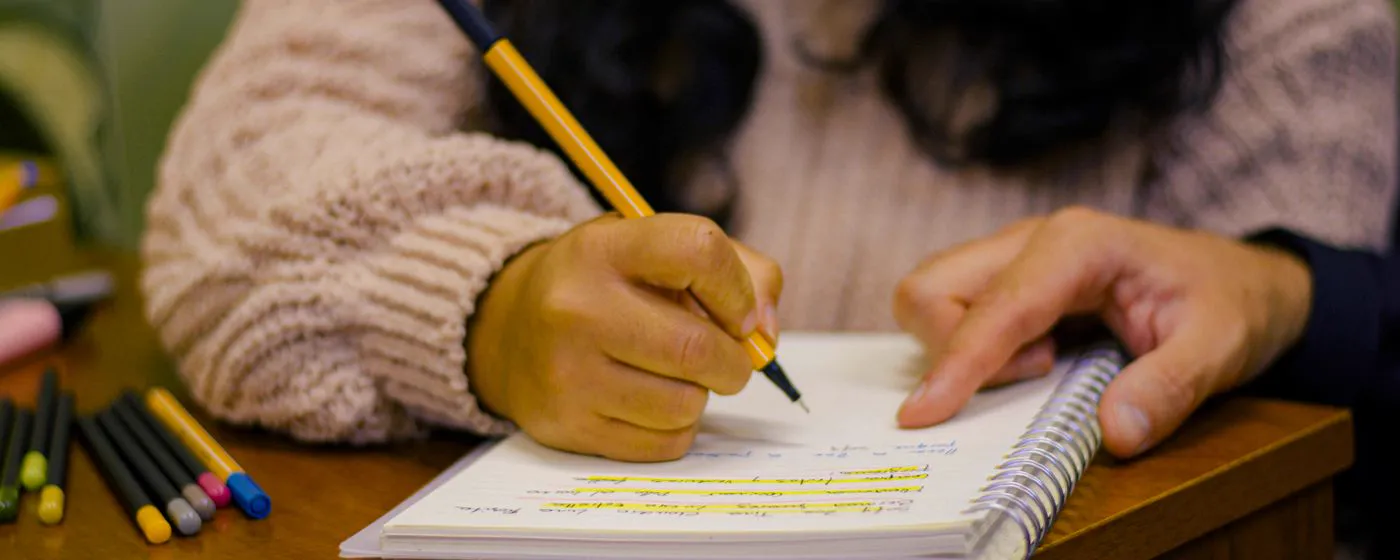
The difference between a question that gets a groan and one that gets a cheer, and how to write more of the second kind.
A great trivia question is not the hardest one you can find. It is the one where half the room almost knows the answer, argues about it for a minute, and then celebrates or kicks themselves when you reveal it. That feeling is the whole point. Here is how to write for it.
Aim for "I should know this"
The best questions sit in the gap between everyone knows it and nobody knows it. You are aiming for the answer that is on the tip of the tongue.
- Too easy: what colour is the sky? There is no tension and no reward.
- Too hard: what was the catalogue number of a b-side from 1974? Nobody is guessing. They just wait for you to tell them.
- About right: which planet spins on its side, so its poles face the sun? Several teams will half remember that it is Uranus, and talk themselves into and out of it.
If a question makes a table actually discuss it, you wrote a good one.
Make every question unambiguous
Ambiguity is the enemy. It creates disputes, and disputes wreck your pacing. Before a question goes in, ask yourself three things.
- Is there exactly one defensible answer?
- Could a smart team make a reasonable case for something else? If so, tighten the wording.
- Are you asking for a first name, a full name, or a surname? Say which.
A good habit is to write the answer first, then write the question that has only that answer.
Vary the shape, not just the topic
Ten identical who, what, and when questions in a row get boring even when the topics are different. Mix up the forms.
- Straight recall, a fact you either know or you do not.
- Connections, like what links a boxer, a chocolate bar, and a US state.
- Ordering, where you put three events in the right sequence.
- Nearest wins, which is great for numbers and impossible to leave blank.
- Odd one out, which rewards reasoning rather than pure memory.
A round is a piece of writing, not a list. Give it a rhythm. An easy opener, a couple in the middle, a curveball, and a satisfying closer.
Write for a crowd, not for a genius
Your room has a range of ages and interests. Spread your references so nobody is shut out for a whole round.
- Balance a question about seventies music with one about the last ten years.
- Follow a sport question with an arts question.
- Keep very local knowledge inside a clearly signposted local round.
The goal is that every team gets to be the expert on at least a few questions across the night.
Cut the groaners
Some questions are technically fine but feel bad to play.
- Guess the exact number with no nearest wins, which is pure luck.
- Trick wording that punishes people for reading carefully. Clever is good. Sneaky just gets resented.
- Trivia so obscure that the only honest reaction is "how would anyone know that?"
Borrow like a professional, but carefully
Read widely, then rewrite completely. Pull facts from anywhere, but write the question in your own words. Reusing another host's exact phrasing is lazy, and it is easy to spot when a team has heard it before. Keep a running document of questions that landed well. Within a few months you will have a bank you trust, and writing a fresh night becomes an hour of work instead of a whole evening.