Getting paid
What to Charge as a Trivia Host
3 min read · Jul 18, 2026 · updated Jul 28, 2026
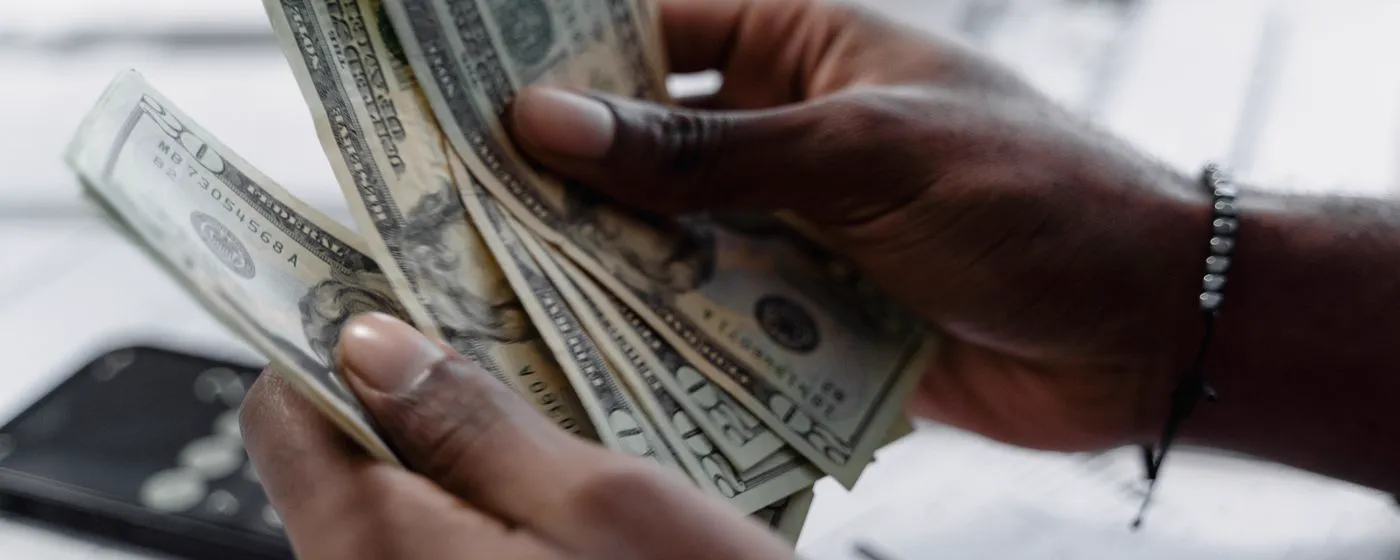
How to price your night so venues say yes and you still make it worth the evening, plus what really goes into the fee.
Pricing is the thing every new host agonises over and every experienced host has a clear answer to. Charge too little and you will burn out resenting the gig. Charge too much with nothing to back it up and venues will not bite. Here is how to think about it.
Know what you are actually selling
A venue is not paying for two hours of your time. It is paying for a fuller room on an otherwise quiet night. Your fee is small next to the bar takings from thirty extra people on a Tuesday. Frame the conversation around what you bring, which is a reliable crowd and a night the venue does not have to think about, rather than around the hours you put in.
Count the real hours
Before you name a number, be honest about what the job takes beyond the night itself.
- Writing a fresh quiz, which is one to three hours.
- Prep and travel, roughly an hour.
- The night itself, two to three hours.
- Your kit, like a mic, a speaker, sheets, and printing, plus the wear on it.
- The years it took to get good enough that people show up.
A fee that only pays for the two hours on stage is really paying you a fraction of minimum wage. Price the whole job.
Pick a model that fits
There are three common ways hosts get paid, and each suits a different situation.
- A flat fee per night. This is the cleanest and most common. The venue knows its cost and you know your income. It works for most regular gigs.
- A flat fee plus a bonus on heads or bar takings. This lines you up with the venue's goal, so a fuller room pays you more. It works well once you have proven you can pull a crowd.
- Player funded, where you charge each team a small entry, sometimes split with the venue as a prize pot. This suits destination quizzes and one off specials.
Whatever the model, put it in writing before the first night. The fee, what is included, who supplies the kit, and how cancellations work. One short paragraph prevents most disputes.
Set your first number
If you are just starting out, price at the low to middle of your local market. High enough that it is clearly worth your evening, low enough that a venue will take a chance on an unproven host. Then raise it as you build proof.
- After a few months of steady, growing crowds, you have earned a rise.
- A host with a waiting list of venues is worth more than one hoping for a callback. Demand is your best bargaining tool.
- Specials, themed nights, and private events like birthdays and work parties should always cost more than your standard weekly rate.
Do not compete on being the cheapest
The cheapest host in town attracts venues that do not value the night and will drop it the moment something cheaper turns up. Compete on being reliable and good. You turn up, the quiz is sharp, and the room fills. Those venues keep you for years and recommend you to others.
Review your rate every season
Set a reminder to look at your pricing a couple of times a year. Are your rooms fuller? Are you turning down work? Has your travel or kit cost gone up? Your rate should climb with your reputation. The hosts who never revisit their fee are usually the ones quietly earning less each year while everything else gets more expensive.